
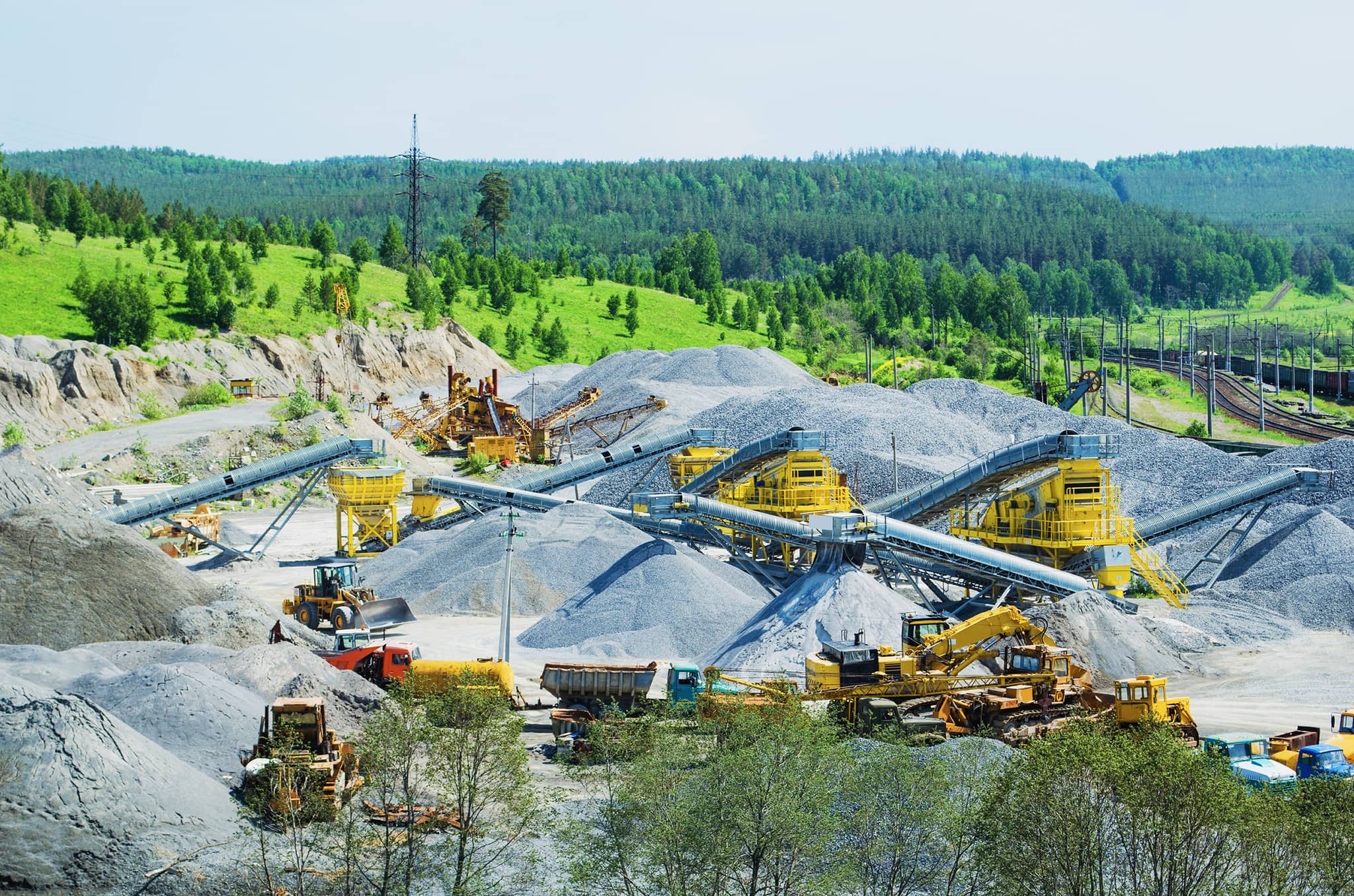
Multi-stage modular process trains
Complete modular process trains from integrated package modules
Combine crushing, screening, wash, DMS, gravity, dewatering and water supply modules into a coherent multi-stage train — with clearer interfaces, staged expansion and package-oriented commercial scope.
- Integrated multi-stage trains
- Staged expansion
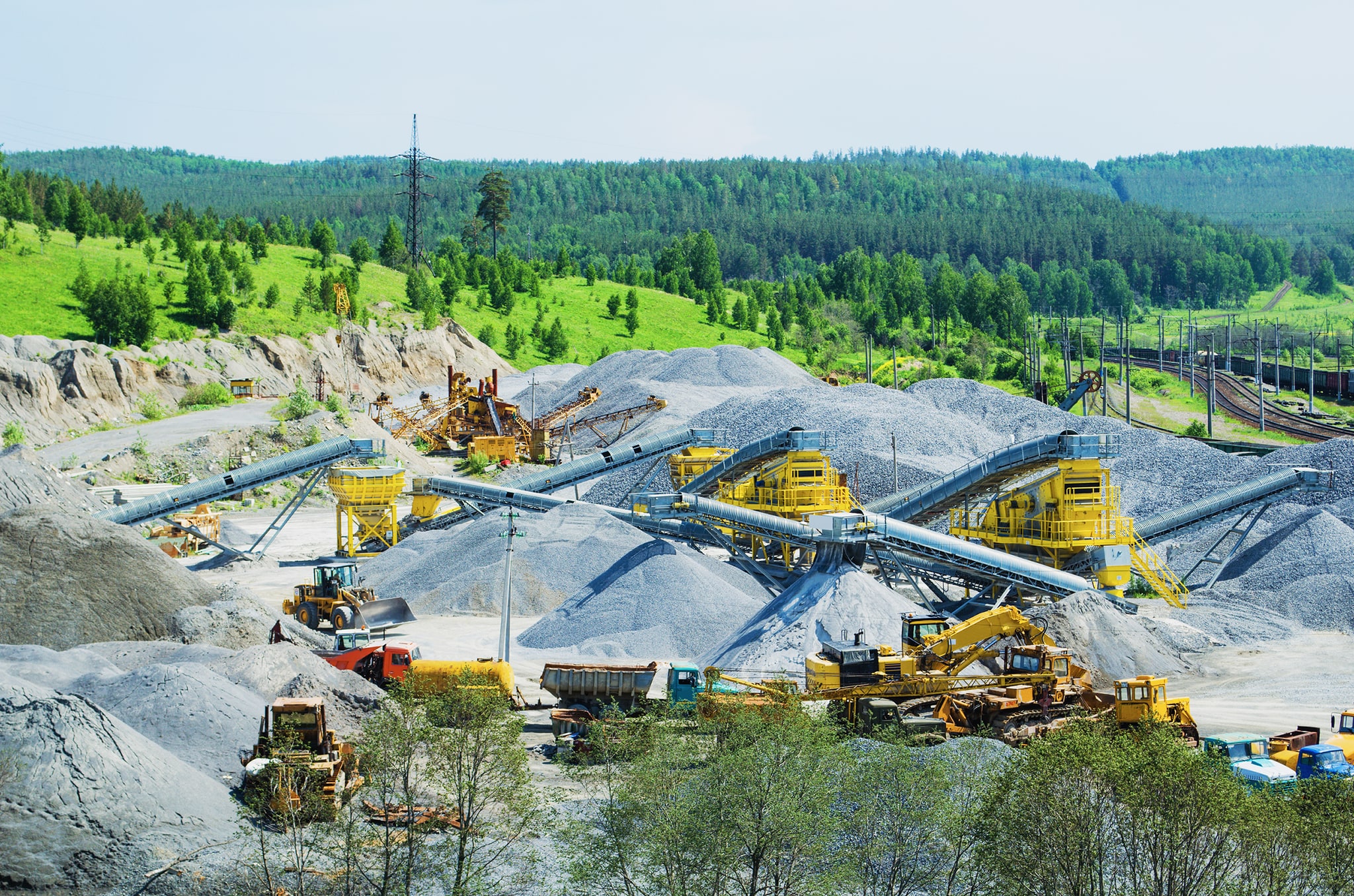
How combination trains work
Individual modular packages, designed as one coherent flowsheet
A combination modular process train is not a random collection of equipment. It is a multi-stage plant where proven package types — crushing, screening, wash, DMS, gravity, dewatering, water supply and related modules — are selected, sequenced and interfaced so material flows cleanly from feed to product.
Each stage retains modular package advantages (clearer scope, workshop-focused fabrication, faster establishment) while the overall train is engineered as a single commercial and technical delivery — reducing the gaps that appear when packages are bought separately and “joined on site”.
Building blocks of a multi-stage train
Select and sequence the stages your ore and product require. Not every train uses every module.
Modular DMS Plants
Dense media separation packages from 5 tph to 200 tph for copper, coal, diamonds, iron ore and manganese.
View package →Modular Crushing & Screening Plants
Primary and secondary crushing with screening modules — modular, skid or container packages for rapid deployment.
View package →Modular Gravity Concentration Plants
Jigs, spirals, centrifugal concentrators and tables for primary concentration and scavenging duties.
View package →Modular Gold Recovery Plants
Alluvial and hard-rock gold recovery plants — also available as a standalone offering.
View package →Modular Wash / Scrubbing Plants
Trommels, scrubbers and clay handling from 5 tph to 200 tph — modular, mobile or skid packages for alluvial and sticky feeds.
View package →Modular Dewatering Plants
Dewatering cyclones and/or screens, stockpiling conveyor and underpan pumps to tanks or dams — complements package plants.
View package →Modular Water Supply
Containerised and skid-based pump packages, pre-designed pump trains and tanks for mining and processing water supply.
View package →
Illustrative train patterns
Example multi-stage sequences
Actual trains are always project-specific. These patterns show how modular packages are commonly sequenced — not fixed catalogue flowsheets.
Crush → screen → wash → gravity
Hard-rock or mixed feeds prepared through size reduction and wash stages, then recovered by gravity concentration packages.
Crush → screen → DMS → dewater
Dense media separation trains with defined product and tailings dewatering interfaces for chrome, coal, iron ore and similar duties.
Wash → gravity → clean-up
Alluvial-style trains combining wash preparation with gravity recovery and concentrate finishing where product security matters.
Phased multi-commodity trains
Start with preparation and one recovery stage, then add DMS, gravity or dewatering modules as metallurgy and capital allow.
Why combination trains
Flexibility, staged growth and cleaner interfaces
Multi-stage modular trains suit projects that need a complete process path without committing to a single monolithic stick-built plant from day one.
Flowsheet flexibility
Select only the stages your ore and product require. Re-sequence or omit modules without abandoning a modular delivery model.
Staged expansion
Establish a first train for cash flow or metallurgical proof, then add parallel capacity or extra process stages as the project matures.
Reduced interface risk
Material handling, power, water and control interfaces are defined across the train — not left as gaps between separately bought packages.
Package-oriented commercial scope
Clearer boundaries for what is supplied, how stages connect and what remains site scope — supporting more predictable cost and programme.
How we keep multi-stage trains practical
One process intent
Feed characteristics, cut points and product specs drive which modules are included and how they are sequenced.
Defined module boundaries
Each package keeps lift, transport and installation clarity while the train shares a coherent layout philosophy.
Operable handovers
Surge capacity, access and maintenance routes are considered across stages so the plant can be run and serviced as a whole.
Complete flowsheet enquiry
Ready to discuss a multi-stage modular process train?
Share ore type, target products, indicative throughput and which stages you need — crushing, wash, DMS, gravity, dewatering or others. We will help scope a coherent combination train with clear interfaces and a practical expansion path.
· Heidelberg, Gauteng · South Africa