
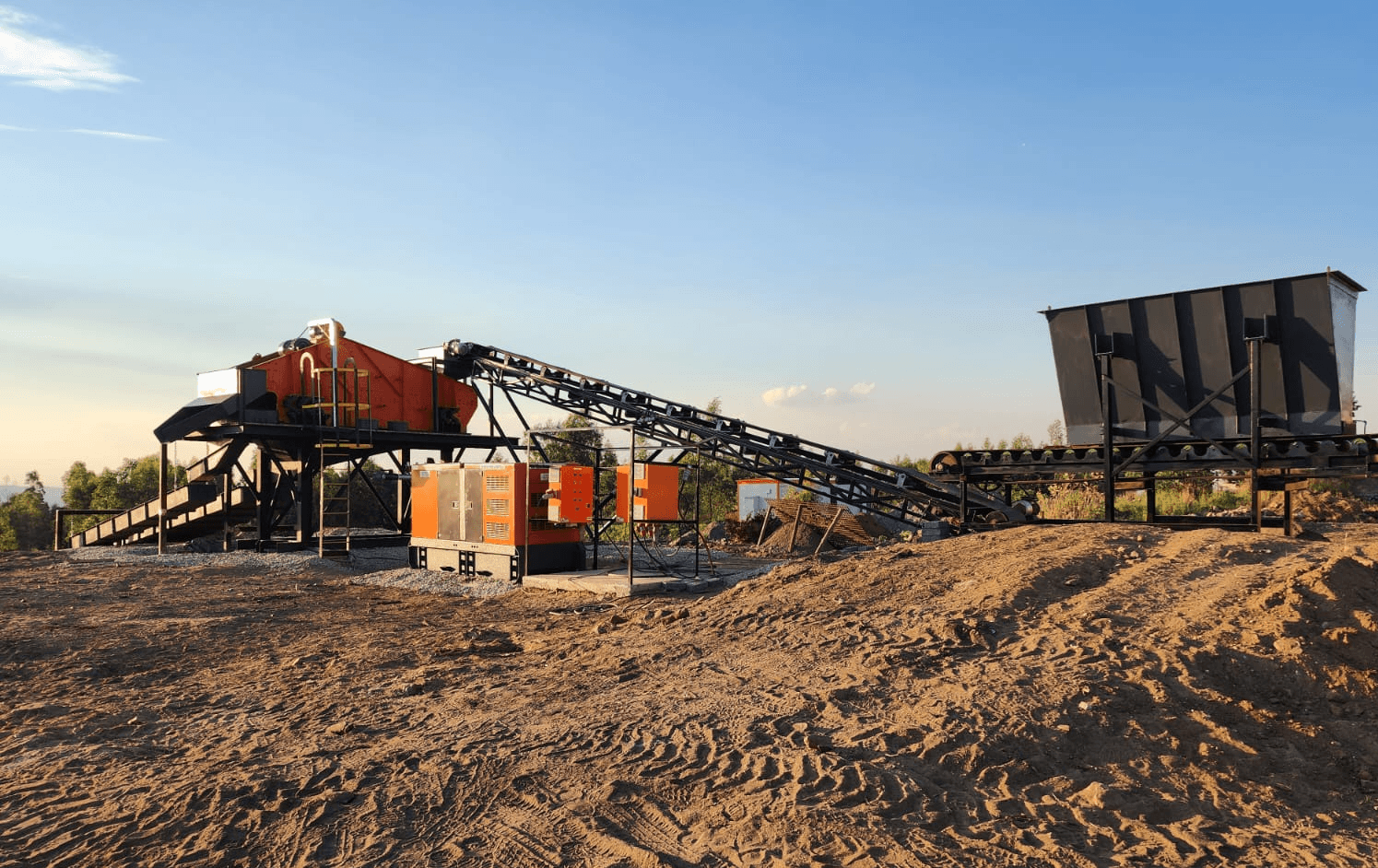
Modular Wash & Scrubbing · 5–200 tph
Modular wash and scrubbing plants for alluvial and sticky feeds
Trommels, scrubbers, spray systems and clay handling in modular, mobile or skid packages — from 5 tph to 200 tph for Southern African mining and mineral processing projects.
- 5–200 tph capacity range
- Trommels & scrubbers
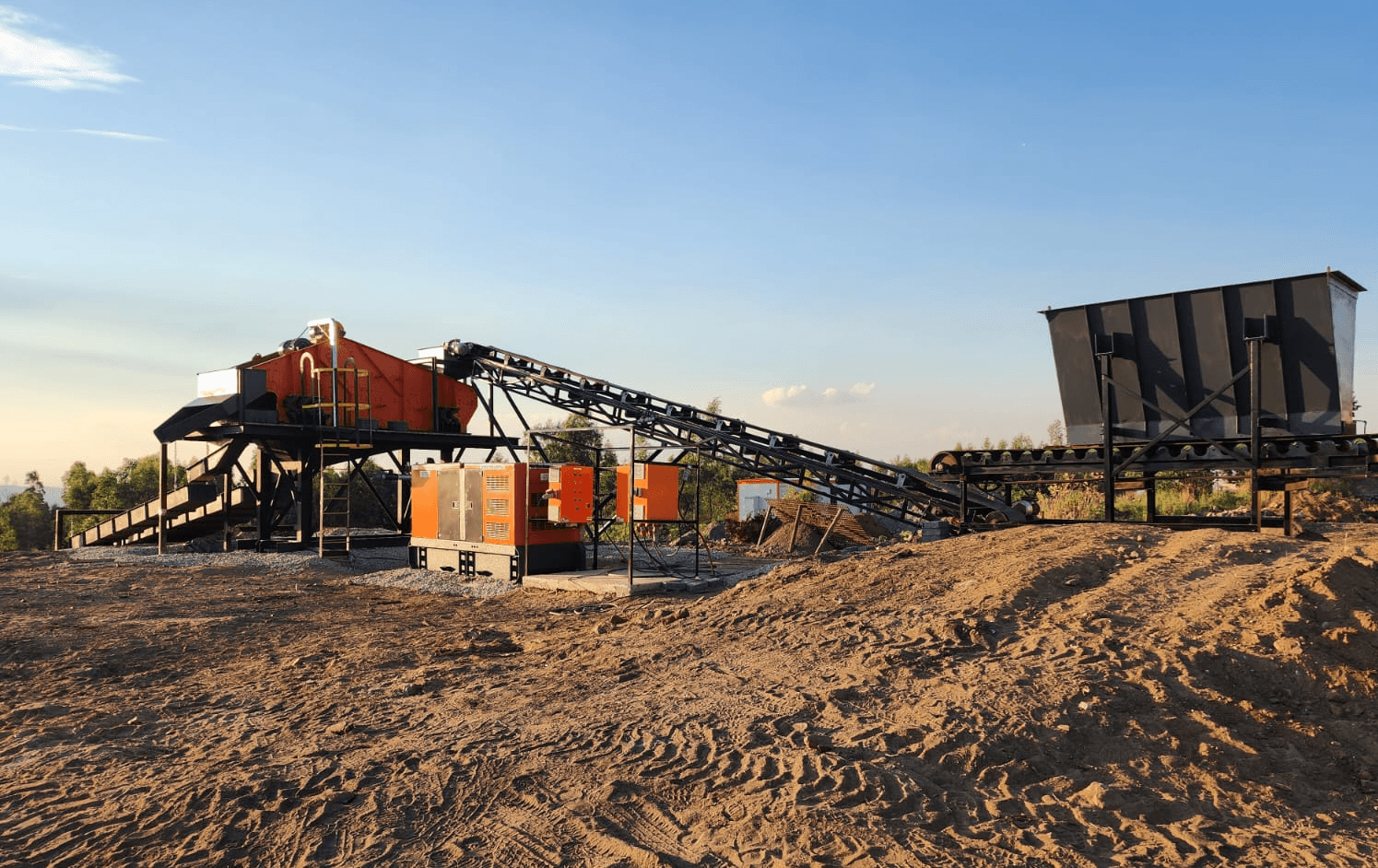
Why modular wash plants
Prepare alluvial and sticky feeds for reliable recovery
Wash and scrubbing stages liberate particles, disperse clay and prepare feed for screening and gravity recovery. Modular packages deliver that preparation with clearer commercial scope and faster establishment than open-ended site-built wash plants of similar duty.
Capacity is offered from 5 tonnes per hour to 200 tonnes per hour, so projects can match plant size to resource definition and expand with parallel modules as throughput grows.
Capacity
5–200 tph
Single packages or phased parallel modules
Feed types
Alluvial & sticky
Clay-bound, agglomerated and placer feeds
Packaging
Modular / mobile / skid
Matched to access, logistics and programme
Key components
Trommels, scrubbers, sprays and clay handling
Packages are assembled from proven preparation blocks — configured for feed type, water availability and the recovery stages that follow. Exact selection depends on clay content, particle size and duty.
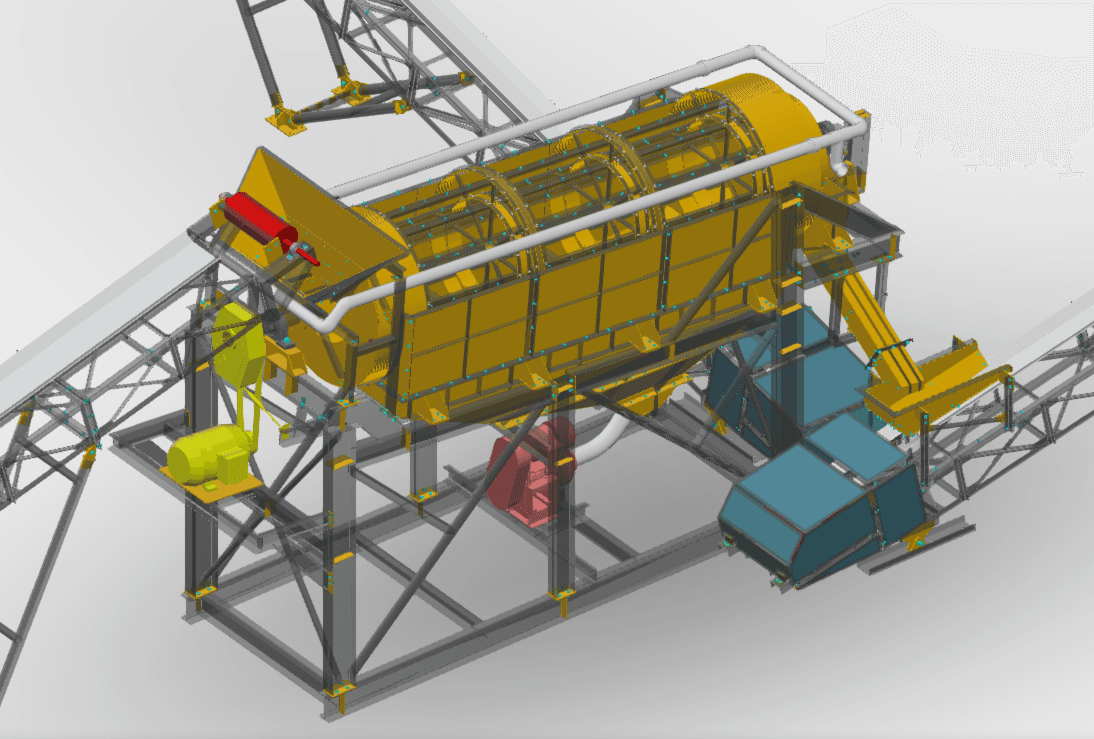
Trommels
Rotary trommel modules for washing, scrubbing and size classification of alluvial and sticky feeds, sized for duty and water balance.
Scrubbers
Scrubbing stages for clay-bound or agglomerated material ahead of screening and recovery — configured for retention time and abrasion duty.
Spray systems
Spray bars and wash water arrangements that support effective liberation without unnecessary water waste or circuit instability.
Clay handling
Practical handling of clay and fines — dispersion, dewatering interfaces and disposal or recovery routes defined with the package scope.
Screens & classification
Screening after wash/scrub stages to prepare oversize and undersize streams for stockpile, gravity recovery or further processing.
Pumps, feeders & transfer
Feed, slurry transfer and water circuits that connect wash modules into a workable plant or modular process train.
Applications & packaging
Built for alluvial and sticky feeds — modular, mobile or skid
Packaging is chosen for site access, programme and whether the wash stage stands alone or feeds a larger modular process train.
Where wash and scrubbing packages are typically used
Alluvial and placer feeds
Wash plants that prepare free-digging alluvial material for screening and gravity recovery with practical water use.
Clay-bound and sticky feeds
Scrubbing and dispersion stages where agglomerated or clay-rich material must be broken down before classification.
Ahead of gravity recovery
Wash and scrub packages that feed sluices, spirals, jigs or centrifugals with cleaner, better-sized material.
Gold recovery trains
Preparation modules within modular gold packages — alluvial wash stages that integrate with recovery and clean-up scope.
Configuration options
Modular fixed packages
Workshop-focused modular wash trains for semi-permanent sites with defined civils and water interfaces.
Mobile / trailer options
Mobile or trailer-mounted wash configurations where relocation, exploration or staged development is part of the plan.
Skid-mounted arrangements
Skid packages that simplify transport, lift and site assembly while keeping process interfaces clear.
Benefits of the modular approach
Preparation that keeps recovery circuits working
Effective wash and scrubbing improves classification and gravity recovery performance. Modular packages deliver that preparation with less site construction risk and clearer commercial scope.
Faster deployment
Pre-engineered modular wash packages shorten the path to operable feed preparation compared with fully stick-built wash plants.
Clear package boundaries
Defined trommel, scrubber and water interfaces support more transparent cost and programme discussion.
Mobile and skid flexibility
Trailer and skid options where access, relocation or phased development matter as much as throughput.
Practical water use
Wash circuits configured around available water, recycling where practical, and the recovery stages that follow.
For gold-focused wash and recovery trains, see also modular gold recovery plants.
Wash plant enquiry
Ready to discuss a modular wash or scrubbing package?
Share feed type (alluvial or sticky), clay content, target throughput (within 5–200 tph), water availability and whether the plant is modular, mobile or skid-mounted. We will help scope a practical wash package for mining conditions.
· Heidelberg, Gauteng · South Africa